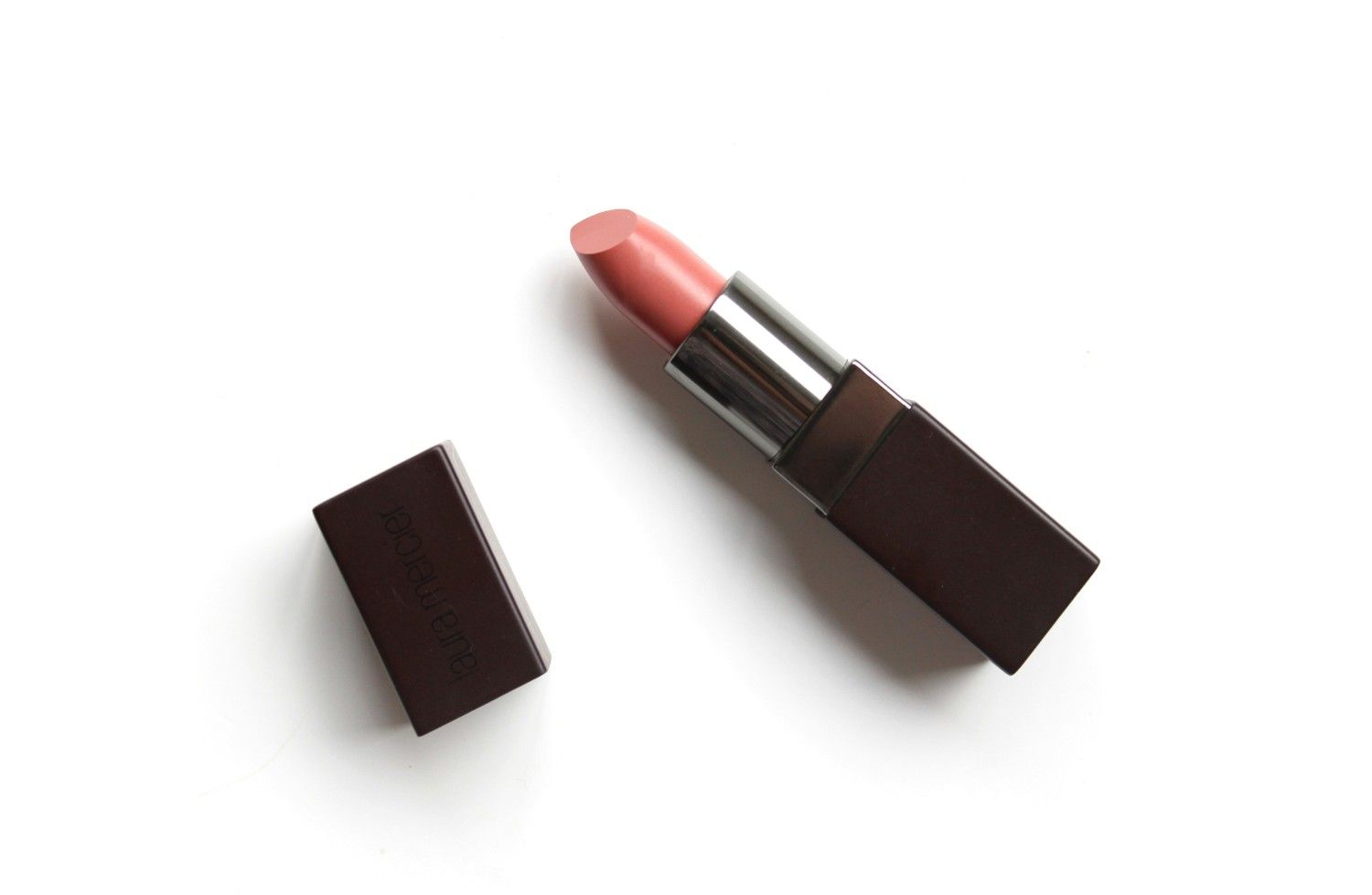
“I’m writing this as someone with dry, slightly sensitive skin that started changing a lot after my late 30s. Products that once felt “fine” suddenly made my face feel tight, and glow became something I had to work for, not something that just showed up. For me, the one product category I never skip is a rich ceramide moisturizer, because it makes every active ingredient feel more comfortable. CeraVe Moisturizing Cream is one I personally trust when my skin feels dry, tired, or a little overtreated.“
QUICK ANSWER
What Is the Best Anti Aging Skincare Routine Over 40?
The best anti aging skincare routine over 40 is a simple, consistent routine built around gentle cleansing, hydration, peptides, vitamin C, retinol, moisturizer, and daily sunscreen. Mature skin needs support for collagen, moisture, barrier repair, and sun protection, not harsh products or too many strong actives at once.
As skin changes after 40, collagen renewal slows, dryness becomes more common, and fine lines can look deeper when the skin is dehydrated. Research on skin collagen shows that the ability to replenish collagen naturally declines by about 1.0%–1.5% per year from early adulthood, which is why firmness and elasticity become bigger concerns over time.
A good routine does not stop aging. It helps your skin age better by keeping it hydrated, protected, smoother, and more resilient.
The main changes that show up after 40 include:
Reduced collagen and elastin
Slower cell turnover
More dryness and sensitivity
Uneven tone, dullness, and pigmentation
Fine lines that become more noticeable when the skin barrier is weak
Understanding an Anti Aging Skincare Routine for Mature Skin
An anti aging skincare routine over 40 is a daily skincare plan designed to hydrate mature skin, support collagen, soften fine lines, improve uneven tone, and protect the skin from future damage. It usually includes cleanser, toner, serum, retinol, moisturizer, and sunscreen.
After 40, skin often needs more than a basic cleanse-and-moisturize routine. Repair slows down, the skin barrier becomes easier to disturb, and dryness can make wrinkles look sharper than they really are.
The main changes that show up after 40 include:
Hydration layer
Treatment layer
Barrier repair layer
Hydration keeps the skin plump. Treatments like vitamin C, peptides, and retinol target visible aging signs. Moisturizer and sunscreen protect the progress you are trying to make.
That structure matters because mature skin usually responds better to steady support than aggressive treatment.
Pro tip: Many skincare guides focus only on buying products, but the real difference comes from using the right ingredients in the right order.
Why Does Skin Over 40 Need a Different Routine?
Skin over 40 needs a different routine because collagen loss, slower renewal, hormonal shifts, and reduced oil production change how the skin behaves. Products that worked in your 20s or 30s may feel too light, too drying, or not targeted enough anymore.
One major reason is moisture loss. As natural oil production drops, skin can feel tighter after washing and fine lines may look more obvious. Dermatologists also recommend moisturizers with ingredients like ceramides, glycerol, lactic acid, or urea for dry skin because they help hydrate and restore the outer layer of the skin.
There is also a clear difference between younger and mature skin:
Younger skin usually repairs faster and holds oil more easily
Mature skin often needs more hydration, gentler cleansing, and stronger daily protection
Hormonal aging can also affect firmness, dryness, and sensitivity. Add years of sun exposure, pollution, stress, and inconsistent SPF, and the skin may start showing dark spots, uneven tone, and loss of bounce.
A Balanced Routine Helps By:
🧬
Supporting collagen
💧
Strengthening the skin barrier
🌿
Reducing irritation
🛡
Protecting against UV damage
Pro tip: Once the routine is built around these needs, your skin has a much better chance of looking calm, firm, and naturally healthy.
What Is the Correct Order of an Anti Aging Routine?
The correct order of an anti aging skincare routine over 40 is to apply products from thinnest to thickest: cleanser, toner, serum, retinol at night, moisturizer, and sunscreen in the morning. This helps active ingredients absorb properly while keeping the skin barrier protected.
Use This Order
🧼
1. Cleanser
🧪
2. Toner
🍊
3. Vitamin C or peptide serum
🌙
4. Retinol at night
🧴
5. Moisturizer
☀️
4. Sunscreen in the morning
Morning skincare should focus on protection. Vitamin C and sunscreen are the main stars here because they help defend against environmental stress and UV damage.
Night skincare should focus on repair. Retinol, peptides, and a good moisturizer work better in the evening because the skin is not dealing with sun exposure, makeup, and daily pollution.
For foundational steps, you can also refer to your morning skincare routine for glowing skin and night skincare routine for beginners, which explain basic layering and timing in more detail.
Now let’s move into the actual product-by-product routine.
✦ Step by Step Guide ✦
Step-by-Step Anti Aging Skincare Routine Over 40: Detailed Product Guide
A complete anti aging routine over 40 should focus on hydration, collagen support, smoother texture, and barrier repair. Each step below targets common aging concerns like wrinkles, dullness, dryness, loss of firmness, and tired-looking skin.
The goal is not to use every strong ingredient at once. The goal is to build a routine your skin can tolerate every day.
1.
Use a Gentle Hydrating Cleanser Without Stripping Skin
A gentle cleanser removes dirt, sunscreen, and makeup without leaving mature skin tight or dry. Over 40, this matters because harsh cleansing can weaken the skin barrier and make fine lines look more noticeable.
Recommended Options:
CeraVe Hydrating Facial Cleanser (16oz)
CeraVe Hydrating Facial Cleanser is a creamy, non-foaming cleanser made for dry and sensitive skin. It contains ceramides and hydrating ingredients that help cleanse while keeping the skin barrier comfortable. I prefer this over foaming cleansers when skin feels dry because it leaves the face soft instead of squeaky and tight.
La Roche-Posay Toleriane Gentle Cleanser is another strong option for sensitive or easily irritated skin. It cleans without making the face feel stripped, which is exactly what mature skin needs. This works especially well if your skin turns red easily or reacts badly to heavily fragranced cleansers.
If your face feels tight after washing, your cleanser is probably too harsh. A gentle cleanse prepares the skin for toner, serums, and moisturizer without starting the routine with irritation.
Once the skin is clean and calm, it is ready for a light hydration layer.
2.
Use a Peptide Toner to Support Firmness and Hydration
A peptide toner adds lightweight hydration and helps prepare the skin for serums. For skin over 40, peptides are useful because they support the look of firmness, elasticity, and smoother texture.
Recommended Options:
COSRX 6X Peptide Collagen Booster Toner
COSRX 6X Peptide Collagen Booster Toner contains multiple peptide complexes that help mature skin look firmer and more refreshed. It also gives that first layer of hydration without feeling sticky or heavy. Honestly, this one surprised me because it feels light, but it makes the next serum glide on much better.
Pour a small amount into your palms and press it into the skin. I would skip cotton pads here because they soak up too much product and can drag across delicate skin.
Why this Step Matters:
Peptides fit well into an anti aging skincare routine because they support smoother-looking skin without the same irritation risk as stronger actives. They are especially helpful when your skin feels too sensitive for daily retinol.
After this step, your skin should feel slightly damp and ready for antioxidants.
3.
Use Vitamin C Serum to Brighten and Protect Skin
Vitamin C helps brighten dull skin, improve uneven tone, and support collagen-focused skincare. It is best used in the morning because it pairs well with sunscreen and helps protect against daily environmental stress.
Recommended Options:
TruSkin Vitamin C Serum (1oz)
The Ordinary Niacinamide 10% + Zinc 1% is a budget-friendly serum for oily skin, enlarged pores, and shiny T-zones. Zinc adds extra oil-control support, while niacinamide helps improve the look of texture. I like this for people who want a simple, no-frills serum, but I would start slowly because 10% niacinamide can feel strong for some skin.
Apply a small amount in the morning after toner. Let it settle for a minute before moving to your next serum or moisturizer.
Why this Step Matters:
Vitamin C is an antioxidant, which means it helps defend the skin from visible damage caused by daily exposure to pollution and UV-related stress. It will not replace sunscreen, but it makes your morning routine stronger.
Now that brightness and protection are covered, the next step focuses more directly on firmness.
4.
Use an Anti-Aging Serum With Peptides for Firmness and Elasticity
A peptide serum targets firmness, fine lines, and uneven texture. It is a good choice for mature skin because it supports repair without being as harsh as exfoliating acids or prescription-strength treatments.
Recommended Options:
The Ordinary Buffet + Copper Peptides 1%
The Ordinary Buffet + Copper Peptides 1% is a multi-peptide serum designed to support elasticity, firmness, and skin recovery. Copper peptides are often used in anti-aging routines because they pair well with barrier-focused skincare. I prefer this for nights when I am not using retinol because it still feels like an active treatment, but it is much gentler.
Apply a thin layer after toner. You can use it in the morning or at night, but if your skin gets overwhelmed easily, keep vitamin C in the morning and peptides at night.
Why this Step Matters:
Peptides are useful when skin starts to lose bounce. They help your routine feel more complete without forcing you to rely only on retinol.
Once your skin is comfortable with peptides, retinol can be introduced carefully.
5.
Use Retinol at Night to Reduce Wrinkles and Improve Texture
Retinol is one of the best-known ingredients for fine lines, uneven texture, and visible aging. The American Academy of Dermatology notes that retinoids can improve skin tone, texture, pigmentation, fine lines, and wrinkles, but they should be introduced slowly to avoid irritation.
Recommended Options:
CeraVe Resurfacing Retinol Serum
CeraVe Resurfacing Retinol Serum is a good beginner-friendly retinol because it includes barrier-supporting ingredients. It is not the strongest option, but that is exactly why many people tolerate it better. I would choose this first if your skin is dry, sensitive, or new to retinol.
CeraVe Resurfacing Retinol Serum is a good beginner-friendly retinol because it includes barrier-supporting ingredients. It is not the strongest option, but that is exactly why many people tolerate it better. I would choose this first if your skin is dry, sensitive, or new to retinol.
Use retinol at night only. Start 2–3 times per week, then increase slowly if your skin stays calm. Follow with moisturizer, and use sunscreen every morning because retinoids can make skin more sun-sensitive.
Why this Step Matters:
Retinol supports smoother texture, brighter tone, and softer-looking lines over time. The key is patience. Too much too soon usually leads to dryness, peeling, and quitting.
To keep retinol comfortable, the next step is non-negotiable.
6.
Use a Rich Moisturizer to Restore the Skin Barrier
A rich moisturizer helps lock in hydration, reduce dryness, and protect the skin barrier. For aging skin, this step can make the difference between a routine that works and one that causes irritation.
Recommended Options:
CeraVe Moisturizing Cream (19oz)
CeraVe Moisturizing Cream contains ceramides and hydrating ingredients that help support the skin barrier. It is thick, simple, and reliable, especially when your skin feels dry from retinol or weather changes. This is one of those products I personally trust because it does not try to be fancy; it just makes skin feel comfortable again.
Apply it after serums and retinol. In the morning, use it before sunscreen. At night, make it your final step unless you are using an overnight mask.
Why this Step Matters:
Dry skin makes wrinkles look more obvious. A strong moisturizer helps soften that look by keeping the skin plump and less irritated.
Once your barrier is supported, sunscreen protects everything you are trying to improve.
7.
Use Sunscreen Every Morning to Prevent Further Aging
Sunscreen is the most important anti-aging step because UV exposure breaks down collagen, worsens dark spots, and speeds up visible aging. Without daily SPF, vitamin C, retinol, and peptides cannot give their best results.
Recommended Options:
EltaMD UV Clear SPF 46
EltaMD UV Clear SPF 46 is lightweight, comfortable, and especially popular for sensitive, mature, or blemish-prone skin. It protects without feeling greasy, which makes daily use much easier. I prefer this over heavier sunscreens because it sits well under skincare and does not make the face feel coated.
Apply sunscreen every morning as the final step. The AAD recommends broad-spectrum sunscreen with SPF 30 or higher, and most adults need about one teaspoon for the face. Sunscreen should also be reapplied about every two hours when outdoors.
Why this Step Matters:
The AAD states that SPF 30 blocks about 97% of UVB rays, though no sunscreen blocks 100%. Regular sunscreen use has also been shown in a randomized trial to slow signs of skin aging in healthy middle-aged adults.
Now that the face is protected, you can give extra attention to thinner areas like the under-eyes.
8.
Use Eye Treatment to Target Fine Lines Around the Eyes
The skin around the eyes is thinner, so fine lines, dryness, and puffiness often show there first. Eye treatments will not erase wrinkles completely, but they can make the area look fresher and more hydrated.
Recommended Options:
Grace & Stella Eye Mask (24 pairs)
Grace & Stella Eye Mask pairs are easy to use when the under-eye area looks tired, puffy, or dry. They give a cooling, hydrated feel and can make makeup sit more smoothly afterward. Honestly, I see these more as a quick refresh than a deep wrinkle treatment, but they are lovely before an event or after a poor night of sleep.
Under-eye skin often needs lighter, targeted hydration. When that area is dry, fine lines can look sharper, even if the rest of your face feels moisturized.
For extra hydration, an overnight mask can help on nights when your skin feels dull or depleted.
8.
Use an Overnight Treatment to Boost Nighttime Hydration
Overnight treatments help seal in moisture while your skin rests. They are not required every night, but they are useful when mature skin feels dry, rough, or less radiant than usual.
Recommended Options:
Laneige Water Sleeping Mask (2.6oz)
Laneige Water Sleeping Mask gives the skin a fresh, bouncy feel by morning. It works well as a final step when your face feels dull or dehydrated. I like this most on non-retinol nights because it gives that soft, rested look without feeling too heavy.
Apply it as the last step 2–3 times per week. Use a thin layer, especially if you already applied moisturizer underneath.
Why this Step Matters:
Nighttime hydration helps mature skin look smoother and more rested. It is especially helpful when weather, stress, or retinol leaves your face feeling dry.
With the full routine in place, let’s answer the common questions people usually ask before starting.
Our Standards
Why Women Trust Seraphine Luxe for Skincare Advice
We do not just recommend products — we research the science behind them, test them against real skin concerns and update every guide monthly so you always get accurate honest advice.
Ingredient Science You Can Understand
Every step in this morning skincare routine is backed by real dermatology research. We explain exactly why ceramides restore your skin barrier, why vitamin C fades dark spots and why hyaluronic acid plumps skin — in plain language anyone can follow. Not just what to buy but why it works.
Honest Reviews Good and Bad
We tested every product in this morning skincare routine guide before recommending it. If a vitamin C serum oxidises too fast, we say so. If a sunscreen leaves a white cast on darker skin tones, we tell you. No sponsored bias — just the truth about what actually works for glowing skin.
Updated Monthly for 2026
Amazon prices change. New skincare products go viral on Pinterest every week. New K-beauty launches arrive constantly. We review and update this morning skincare routine guide every single month — so every product link, price and recommendation you see here is accurate and current for 2026.
Every Amazon Link Manually Verified
Before this guide went live every single product link was manually clicked, verified and checked for correct pricing on Amazon. We include real star ratings and verified review counts so you can shop with complete confidence — no broken links, no outdated prices, no guesswork.
✦ Quick Answer✦
Questions
About Anti Aging Skincare Routine Over 40
Should I Start Using Retinol After 40?
Yes, retinol can be a good choice after 40 because it helps improve the look of fine lines, uneven texture, and dullness. Start slowly, use it at night, and follow with moisturizer to reduce dryness.
The AAD also recommends starting with a less intense retinoid formula and building up gradually, especially if your skin is dry or sensitive.
Can I Skip Sunscreen in an Anti-Aging Routine?
No, sunscreen should not be skipped in an anti-aging routine. UV exposure is one of the biggest causes of premature wrinkles, dark spots, and collagen breakdown.
Use broad-spectrum SPF 30 or higher every morning. Reapply when outdoors, sweating, or spending long hours near sunlight.
Is Moisturizer Necessary for Aging Skin?
Yes, moisturizer is necessary because aging skin often becomes drier and more sensitive. A good moisturizer helps restore hydration, support the skin barrier, and soften the look of fine lines.
Ceramides, glycerin, and other barrier-friendly ingredients are especially useful for mature skin that feels tight or rough.
Should I Use Vitamin C Every Morning?
Yes, vitamin C is best used in the morning because it helps brighten skin and supports protection against environmental stress. It works well under sunscreen.
Use it consistently, but choose a gentle formula if your skin stings easily. Stronger is not always better after 40.
Can I Use Multiple Anti-Aging Serums Together?
Yes, you can use more than one serum, but do not overload your skin. A simple combination like vitamin C in the morning and peptides at night is often enough.
Avoid layering too many strong actives in one routine, especially retinol, acids, and high-strength vitamin C together. Mature skin usually responds better to consistency than chaos.
Is Eye Treatment Necessary After 40?
Eye treatment is helpful after 40, but it is not always required. If your under-eye area is dry, puffy, or showing fine lines, a targeted treatment can make the area look smoother and fresher.
For deeper lines, hydration helps the appearance, but it will not completely remove wrinkles.
Can Anti-Aging Skincare Completely Remove Wrinkles?
No, skincare cannot completely remove wrinkles. It can soften their appearance, improve texture, support firmness, and help prevent new signs of premature aging.
The best results usually come from daily sunscreen, consistent moisturizer, and proven ingredients like retinol, peptides, and vitamin C.
Should I Use Overnight Treatments Regularly?
Yes, overnight treatments can be used regularly, but 2–3 times per week is enough for most people. They help add hydration and make skin look smoother by morning.
Use them more often if your skin is very dry, and less often if your face feels heavy or congested.
Final Thoughts on Anti Aging Skincare Routine Over 40
Aging skin does not need punishment. It needs support, patience, and a routine you can actually follow without irritating your face.
Start with the basics: gentle cleanser, peptide or hydrating toner, vitamin C, retinol at night, rich moisturizer, and sunscreen every morning.
Once those steps feel easy, you can add eye masks or an overnight treatment when your skin needs extra care.
The best thing you can do right now is check your current routine and ask one simple question: is this helping my skin feel calm, hydrated, and protected? If not, start by fixing your cleanser, moisturizer, and sunscreen first. Everything else works better when those three are right.